2025, a year of health sector's efforts in Holguín
- Written by Lourdes Pichs Rodríguez
- Published in Health
- Hits: 1310
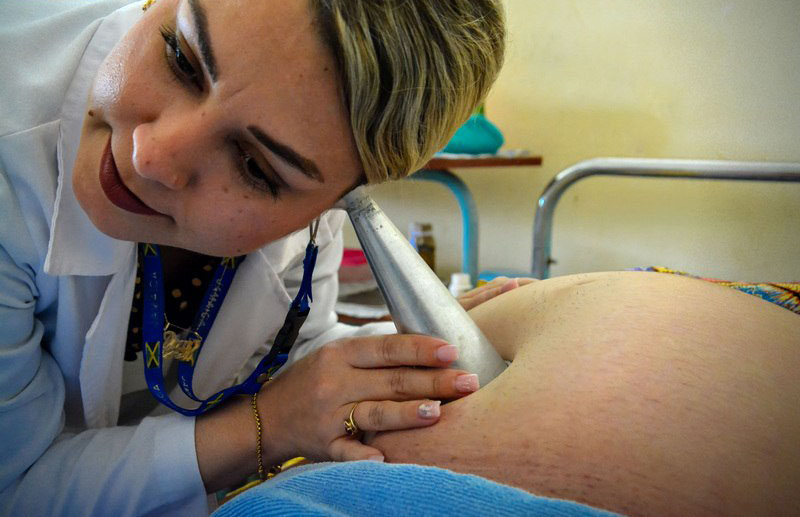
The year 2025 was highly demanding for the province of Holguín, especially for its healthcare system, which faced very adverse conditions and a shortage of essential resources. Despite material, medicine, and equipment scarcities, the network of institutions worked from primary to tertiary care levels, with medical teams rising to meet the challenges.
The Minister of Public Health, Dr. José Ángel Portal Miranda, publicly acknowledged the need to confront emerging diseases, transmission peaks, and risk situations requiring quick and coordinated responses. In this context, healthcare workers showed remarkable adaptability and responsibility.
The year was also marked by Hurricane Melissa, which affected nearly all municipalities in Holguín. Despite that, the province continued progressing and achieved notable results, including major advances at the University of Medical Sciences, which has the third-largest enrollment in the country and a strong doctoral training program with 216 young participants.
Clinical trials maintained a strong presence, with more than 10 studies underway that reinforced the region’s research profile. In maternal and child care program, significant efforts were made despite national difficulties, reaching by December 25 an infant mortality rate of 6.59 per thousand live births—one of the lowest in the country—placing Holguín among the best-performing provinces in eastern Cuba.
Other major achievements include considerable improvements in neonatology, with an overall survival rate of 98.8% and more than 100 fewer low-birth-weight infants compared to the previous year. The Regional Center for Neonatal Surgery expanded its coverage across eastern Cuba, performing high-risk operations. In assisted reproduction, 96 clinical pregnancies and 76 artificial inseminations were achieved, earning national recognition for excellent results.
In parallel, a broad institutional maintenance plan was carried out, completing around 70 projects and finishing 66, encompassing 289 service units. Hospitals provided over 656,000 consultations and conducted 44,000 surgeries, prioritizing critical programs such as oncology amid equipment shortages.
The period also stood out for exceeding medical service export goals and for international cooperation, with thousands of Holguín professionals serving on missions abroad, reaffirming their commitment to public health and the defense of life.
