Immunization of pediatric ages continues in Holguín in Cuba
- Written by Eileen Esther Molina Fernández
- Published in Health
- Hits: 898
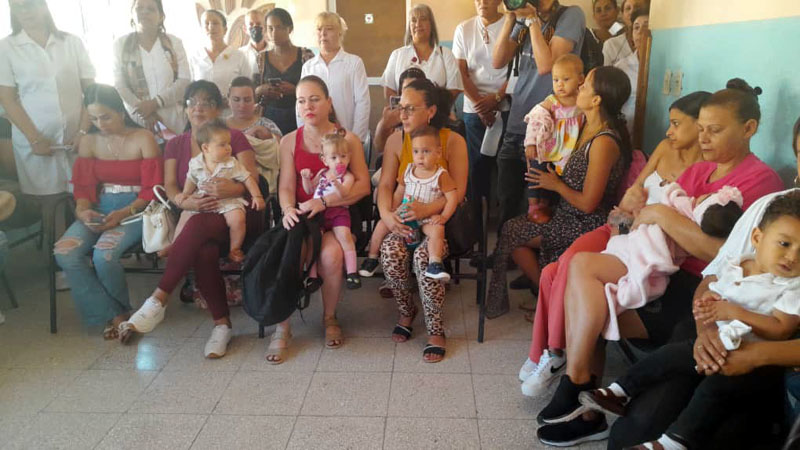 The administration of the polio vaccine to more than 21,000 children in the province of Holguín is an exponent of Cuba's efforts to maintain immunization in pediatric ages in the midst of the complex economic context that the country is experiencing.
Norge Fernández Aguilera, responsible for this program in the General Directorate of Public Health, told ACN that the plan is governed by the guidelines of comprehensiveness, universality, accessibility and participation.
He stressed that government support and international associations such as the Pan American Health Organization has allowed the continuity and updating of immunization schedules in children through donations of supplies.
He pointed out that the current campaign started today in the country will benefit infants from one month of age to three years old and will have a second stage from June 15 to 20.
The administration of the drug, he explained, coincides with the 24th Vaccination Week in the Americas and the 15th World Immunization Week, and the Heberpenta, Pneumosil and PRS schedules will be recovered in infants with delays.
He also reaffirmed the importance of immunogens to preserve the health of the child population and to keep controlled or eradicate outbreaks of diseases that before 1959 caused death or serious sequelae.
Dayana Gutiérrez Díaz, mother of a five-month-old child, stressed that this vaccine represents the peace of mind of the family and a guarantee of health for her son.
65 years ago, on August 26, 1962, the first National Vaccination Campaign began in Cuba, when polio was an endemic disease that left about 300 children each year paralyzed after contracting the disease.
The Expanded Program of Immunization in Cuba, universal and free, administers 17 vaccines, 12 of them of national production, and has managed to maintain coverage of more than 98 percent throughout the territory, according to information from the digital site of the Ministry of Public Health.
Among the most notable results are the elimination of diseases such as diphtheria, measles, mumps, rubella, polio and pertussis, while others, such as tetanus and meningococcal meningitis, ceased to be public health problems due to their low levels of incidence. (Source : ACN)
