Holguín, the cradle of protected areas in Holguín
- Written by Redacción ¡ahora!
- Published in Holguin
- Hits: 1149
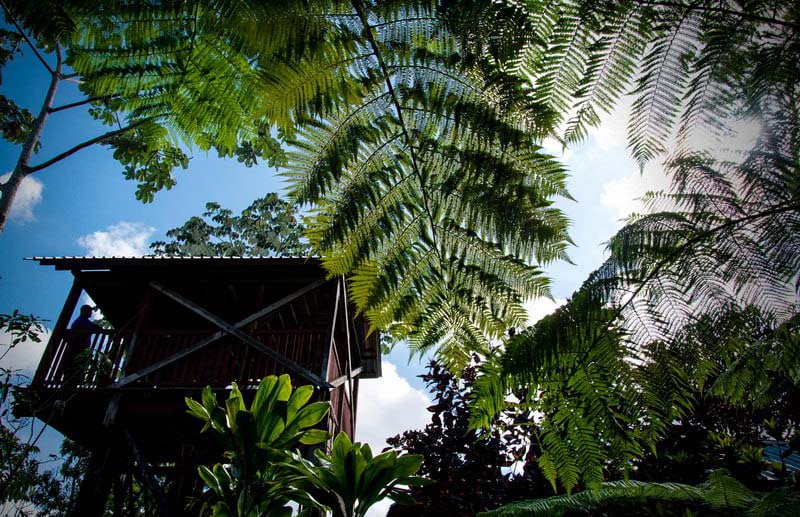 Photos: Juan Pablo Carreras
Holguín’s recognition as the host of the central event for Cuban Science Day on January 15 is due to its importance as the country’s third major tourist hub and to the remarkable natural wealth it contains.
The province stands out for its mountains, biodiversity, and exceptionally beautiful beaches, making it a national landmark for both tourism and environmental conservation.
Sierra Cristal, located in northeastern Holguín, symbolizes this natural richness. It was declared Cuba’s first Protected Natural Area on April 12, 1930, when it received the designation of National Park. At that time, the official decree recognized its forest value, quality timber, and excellent state of conservation, making it a pioneer in environmental protection on the island.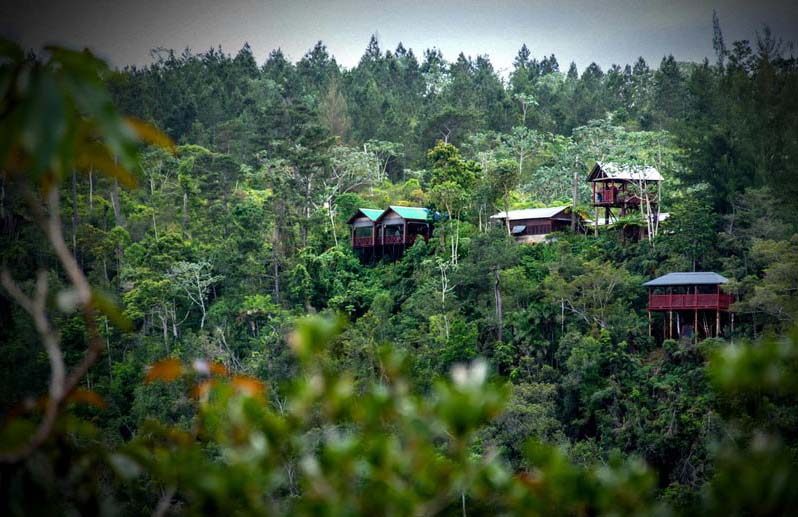
The creation of Sierra Cristal National Park was inspired by the establishment of Yellowstone National Park in the United States, a global model for conservation. With this designation, Cuba joined early international efforts to preserve unique ecosystems. Sierra Cristal stands out for its biodiversity and impressive terrain, second in size only to the Sierra Maestra within the Cuban archipelago.
At its highest point lies Pico Cristal, 1,231 meters above sea level, named for the quartz crystals that gleam on its slopes. Its forests represent pre-Columbian ecosystems of great purity, where Pinus caribaea grows —a pine species reaching up to 30 meters and forming the region’s characteristic pine forests. Nearby lies the Pinares de Mayarí plateau, 600 meters above sea level, offering breathtaking views of the Nipe-Cristal mountain range.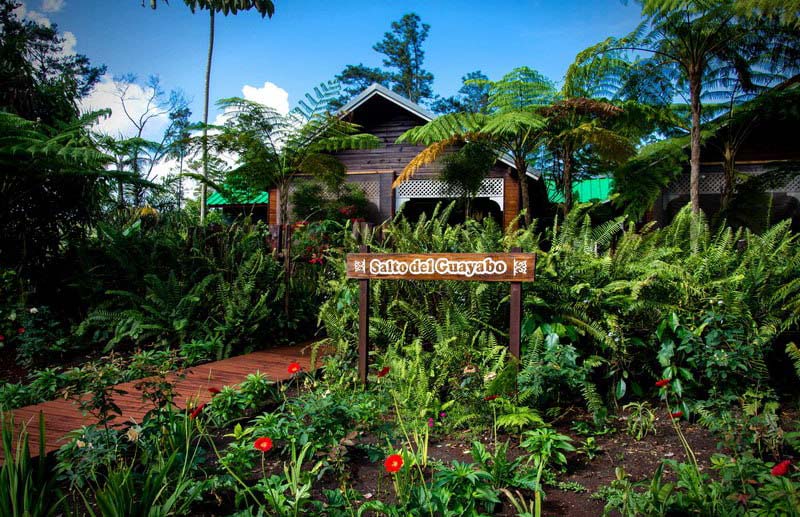
To the southeast is La Mensura National Park, with a mild average temperature of 22 °C and more than 5,000 hectares. This area blends tropical vegetation with dense cubensis pine forests and an abundance of palms, coconut trees, and ferns. Also noteworthy is the Tanque Azul de Caletones, a flooded cave located along the main migratory route of Caribbean birds, home to emblematic species such as the cartacuba and the almiquí, a treasured Cuban mammal.
Beyond its ecological value, Sierra Cristal holds deep historical significance. It was the site of battles during the Cuban Revolution, hosting the Second Eastern Front “Frank País” of the Rebel Army. After the triumph of 1959, the region’s protection was reinforced by Law 239/59, which created the National System of Protected Areas and marked the beginning of an environmental policy aimed at conserving and fostering Cuba’s forest wealth. (Source: ACN)
